


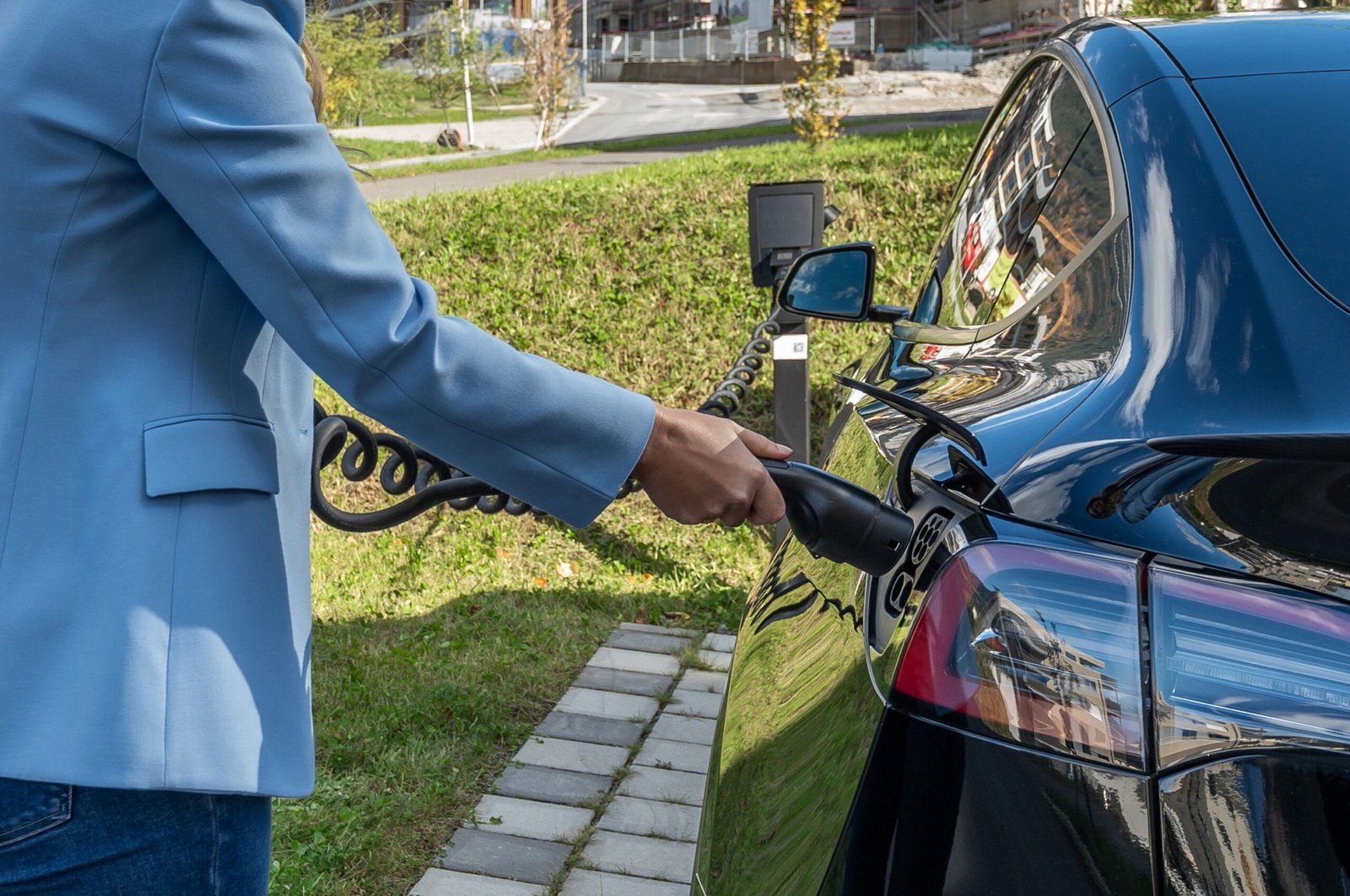

The Future of Electric Vehicles: Trends, Benefits, and Challenges
Electric vehicles (EVs) are no longer a niche technology for early adopters. Over the past ten years, electric vehicles have become a significant force in the Automobile industry, propelled by increasing environmental awareness, government backing, and swift technological progress. As climate change concerns and fuel prices continue to rise, electric cars are emerging as a sustainable alternative to traditional transportation.
The outlook for electric vehicles is promising, with manufacturers investing billions of dollars in research, development, and manufacturing. However, while EVs offer many advantages, they also face challenges that could impact their overall acceptance. Understanding these trends, benefits, and challenges can help consumers and businesses prepare for the next chapter of transportation.
What is an electric vehicle?
Electric vehicles are vehicles that run on electric motors rather than normal combustion engines. Unlike petrol or diesel, EVs run on rechargeable batteries that store and deliver energy.
Some of the electric vehicles on offer include:
- Battery Electric Vehicles (BEV)
- Plug-in Hybrid Electric Vehicle (PHEV)
- Hybrid Electric Vehicles (HEVs)
Battery electric vehicles are expected to dominate the future market, thanks to advancements in more efficient and affordable battery technology.
The Growth of EVs (Electric Vehicles)
The popularity of electric cars is increasing worldwide for several reasons.
Environmental Awareness
Consumers are increasingly concerned about carbon emissions and air pollution. Electric vehicles produce no tailpipe emissions and therefore offer a cleaner alternative to conventional vehicles.
Higher Fuel Prices
The rising fuel prices have led many consumers to consider EVs as an economical mode of transportation.
Government Incentives
Many governments provide tax benefits, subsidies, and incentives to encourage EV adoption. These efforts reduce the cost of electric vehicles for consumers.
Technological progress
Battery technology improvements, charging infrastructure, and vehicle performance have seen consumer confidence in electric vehicles surge.
Key Trends Shaping the Future of EVs
1. Expansion of charging network
One of the largest trends is the explosion of charging networks. Public and private organizations are investing in charging stations to make it easier to own an EV.
More charging options mean less worry about finding a charge and more people switching to EVs.
2. Progress in Battery Technology
Battery tech is advancing rapidly. The manufacturers are developing batteries that will have the following:
- Longer driving range
- Faster charging
- Greater durability
- Lower production costs
These advances should help make electric cars more practical and affordable for daily use.
3. Greater Automaker Adoption
The big car makers are adding more EVs to their lineups. Many car companies have announced plans to move a significant share of their production to electric vehicles within the next decade.
The change has intensified competition and spurred innovation across the industry.
4. Smart Connectivity and Software Integration
A growing number of new EVs feature advanced software and connectivity capabilities. Smart technologies give drivers:
- Real-time GPS and navigation
- Remote vehicle tracking
- Energy consumption monitoring
- Over-the-air software updates
These features simplify the driving experience and enhance overall vehicle performance.
5. Eco-Friendly Manufacturing Practices
Car manufacturers are working to make the entire manufacturing process more sustainable. This includes cutting carbon emissions from manufacturing, using recycled materials, and improving battery recycling programs.
Benefits of Electric Vehicles
Lower Operating Expenses
Running costs are typically lower for electric cars than for petrol-powered cars. Fuel typically costs more than electricity, and EVs generally require less routine maintenance.
Smaller environmental footprint
EVs have no tailpipe emissions, which improves air quality and reduces greenhouse gas emissions.
Less Noisy Driving Experience
Electric motors are much quieter than internal combustion engines, which can lead to a smoother and more comfortable ride.
Energy Efficiency
Electric cars are more efficient from an energy perspective. They convert a greater percentage of energy into motion than conventional cars.
Government Incentives and Tax Credits
Financial incentives, including tax credits and rebates, continue to make EV ownership more appealing to consumers.
Challenges of Electric Vehicles
Yet, electric cars still face a number of challenges despite the advantages.
Problems with charging infrastructure
Charging networks are growing, but there are still parts of the country that lack enough charging stations. This lack of infrastructure can be an issue if you are traveling long distances.
Excessively high initial purchase prices
They have lower operating expenses, but electric vehicles can be pricier to purchase upfront than conventional vehicles. But as the technology progresses, the prices are slowly coming down.
Time to Charge
Filling a petrol car usually takes only a few minutes, but charging an EV can take a lot longer depending on the charger.
Challenges in Battery Production
Batteries require raw materials such as lithium, cobalt, and nickel. The industry still has to tackle sustainable production and responsible sourcing.
Consumer Awareness
Consumers still don’t know about EV range, battery life, and charging availability. Future adoption will hinge on education and awareness.
Electric Vehicles and Their Role in Sustainable Transportation
Electric vehicles are anticipated to cut transport-related emissions significantly. As countries work toward climate targets, EV uptake is becoming a key component of sustainable transport plans.
The combination of electric mobility and renewable energy has the potential to significantly decrease our reliance on fossil fuels, paving the way for a more sustainable future.
Companies are also adding EVs to commercial fleets to reduce operating expenses and meet sustainability goals.
What’s Next For EVs?
The outlook for electric vehicles is promising. Industry experts expect EV sales to continue to grow with advances in battery technology and expansion of charging infrastructure.
There are a few things that should shape the future:
- Electric cars will become more affordable.
- ore efficient and longer-lasting batteries
- Faster charging technology
- A higher degree of integration of smart technologies
With more innovations, electric vehicles are poised to be a key choice for consumers globally.
Conclusion
Electric cars are transforming the auto industry and the future of transportation. EVs are an attractive alternative to conventional cars, with lower running costs, less impact on the environment, and access to cutting-edge technology.
There are still hurdles to clear—charging infrastructure, battery manufacturing, and the upfront costs—but there is innovation and investment to help address those issues. The future of electric vehicles is bright as governments, businesses, and consumers increasingly embrace sustainable mobility.
For those who wonder what the future of transportation looks like, electric vehicles are some of the most exciting and meaningful advances of the modern age.
FAQs (Frequently Asked Questions)
What Is an Electric Vehicle?
In essence, an electric vehicle is a car that uses electric motors and rechargeable batteries instead of a gasoline/diesel engine.
Why Are Electric Vehicles Becoming More Popular?
More and more people are choosing electric vehicles because of lower operating expenses, environmental benefits, government incentives, and improvements in battery technology.
What are the big advantages of electric cars?
The key benefits are reduced emissions, lower maintenance expenses, improved energy efficiency, and a quieter drive.
What are the drawbacks of electric vehicles?
Challenges include limited charging infrastructure, higher upfront costs, charging time, and battery production concerns.
