


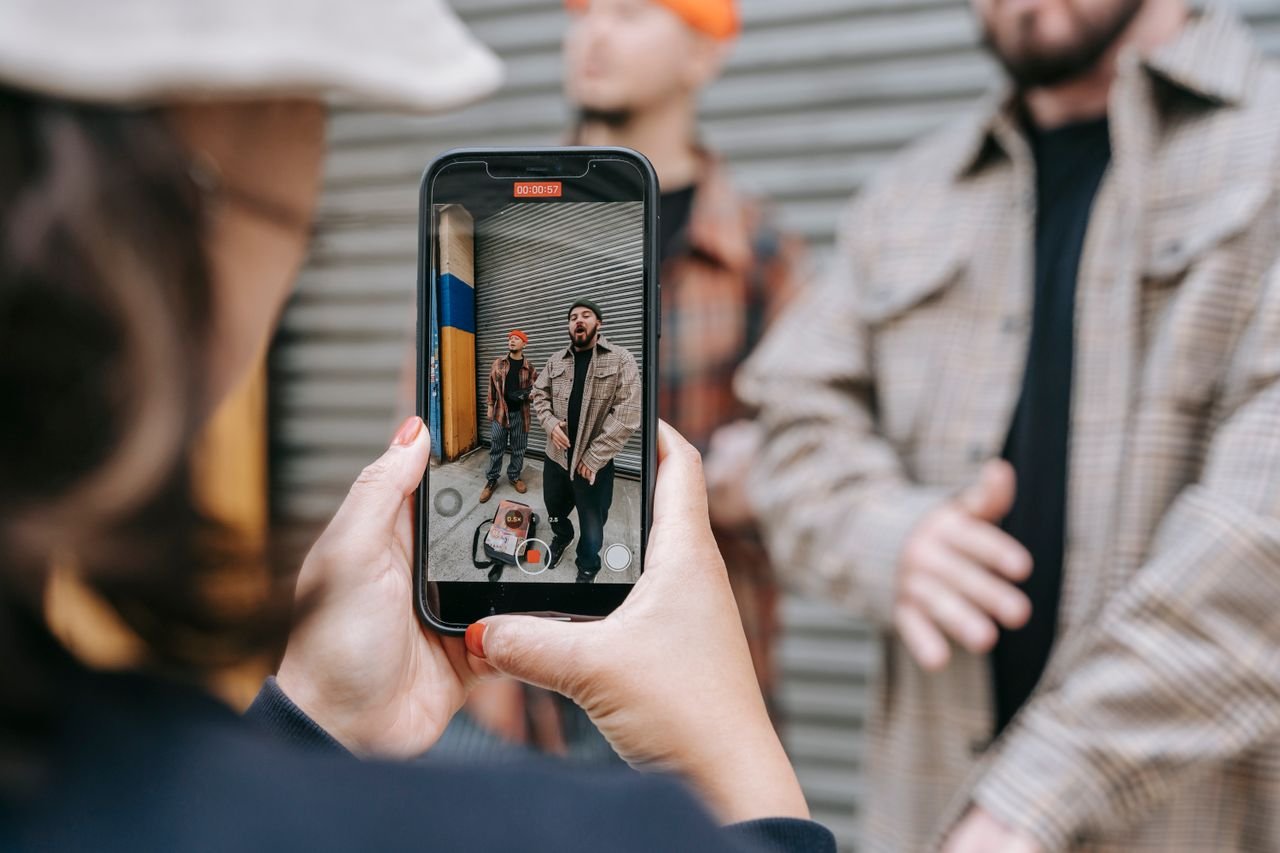

Visual Content Trends for Social Media in 2026
Social media continues to evolve rapidly, with visual content remaining central to digital engagement. In 2026, brands, influencers, and content creators are more focused than ever on creating visually appealing content to grab attention, boost engagement, and build stronger connections with audiences. Social media platforms are getting more and more competitive, and producing high-quality visual content is not an option anymore; it is a must.
New trends in visual content are transforming the way people consume and interact with social media content, including short-form videos, AI-generated visuals, immersive experiences, and authentic storytelling. By understanding these trends, businesses and creators can stay relevant and maximize their online presence.
Short-Form Video Still Reigns
Short-form video is still one of the best social media content formats. Users want quick, engaging videos that can inform or entertain within seconds.
Popular short-form content formats include:
- Educational tips
- Product Demonstrations
- Behind-the-scenes videos
- Quick how-to guides
- Trending challenges
Video content holds users’ attention and encourages longer viewing times, so platforms are leaning into it.
Visual Content Generated by AI
Brands can now produce visuals more quickly thanks to artificial intelligence, which is transforming content creation. AI-based tools can produce images, graphics, video edits, and creative designs in minutes.
Advantages of content produced by AI:
- Reduced content production times
- Cost-effective design solutions
- Creation of custom content
- Greater creative opportunities
Artificial intelligence can help make content creation more efficient, but the most successful brands combine technology with human ingenuity to deliver authentic results.
Real & Raw Content
The more authentic and relatable the visuals, the more they win out over the highly polished content. People are seeking more authentic experiences and transparency rather than picture-perfect feeds.
Examples:
- Behind-the-scenes content
- Day-in-the-life video
- Real customer experiences
- Content created by users
- Unedited product displays
This approach builds trust and deeper relationships between brands and their audiences.
Visuals that are Interactive
Social media sites are introducing more interactive features to promote active engagement. Interactive content is a fantastic way to increase engagement and build memorable user experiences.
Popular formats include:
- Polls & Surveys
- Interactive Stories
- Live Q&A sessions
- Clickable product demonstrations
These features allow the user to interact with content, not just consume it.
Vertical Video Optimization
As mobile devices are the primary method people use social media, vertical videos are the default format on many platforms. Content creators are optimizing visuals for smartphone viewing.
Advantages of vertical video are:
- More effective use of screens
- Improved user experience
- Higher engagement rates
- Better algorithmic reach on platforms
Today, brands that create mobile-friendly content are more likely to engage with audiences.
User-Generated Content (UGC)
Content created by users (UGC) is still a powerful marketing tool in 2026. Consumers are more likely to trust what real users say about a product than traditional advertising.
Examples of UGC include:
- Feedback from clients
- Product Images
- Social media testimonials
- Video demos from customers
- Community posts and shares
UGC also builds brand credibility and audience engagement.
AR Experiences
Social media platforms are increasingly offering augmented reality (AR). AR enables users to interact with digital objects in reality.
Typical uses are:
- Virtual Try-ons
- Interactive filters
- Testing digital makeup
- Preview of Furniture Placement
- Branded AR experiences
These engaging features help drive user engagement and build purchase confidence.
Carousels: A visual storytelling tool
Carousel posts are still performing well as they let creators tell stories using multiple images or slides. This format encourages longer user engagement with content.
Carousel content is typically used for:
- Step-by-step tutorials
- Education content
- Product demos
- Industry news / Case studies
The combination of visuals and storytelling helps improve retention and engagement with the audience.
Customized Graphic Content
Personalization is an increasingly important part of social media marketing. Brands use customer data and understanding of their audience to create personalized visual experiences.
Examples of personalized content may include:
- Customized product suggestions
- Targeted Advertising
- Imaginative visual campaigns
- Graphics for a Targeted Audience
Relevant content tends to attract more attention and engagement.
Intentional & Sustainable Imagery
Consumers are more aware of brands’ values. Sustainability, social responsibility, and community engagement are common themes in popular visual content.
Brands are displaying pictures from:
- Sustainability efforts
- Business ethics practices
- Community support programs
- Environmental initiatives
Purpose-led content helps brands to connect with socially conscious audiences.
Conclusion
Trends in visual content for 2026 are influenced by technological advances, audience preferences, and the evolving social media environment. Brands are now communicating online via short-form videos, AI-generated visuals, authentic storytelling, augmented reality experiences, and personalized content. Meanwhile, user-created content and purpose-led messaging continue to build trust and deepen relationships with audiences.
By adapting to these trends, businesses and creators can increase engagement, grow their reach, and stay competitive in a constantly changing social media landscape.
FAQs
1. What is the most significant visual content trend for 2026?
Short-form video content is still one of the most significant trends due to its high engagement and proven performance across social media.
2. How does AI affect visual content generation?
AI is able to speed up and streamline the creation of images and graphics, video and personalized content, and creative workflows.
3. Why is user-created material important?
User-created content fosters trust, authenticity, and higher engagement with your audience.
4. How is augmented reality used in social media marketing?
Augmented reality allows users to experience content through interactive filters, virtual try-ons, and other experiences.
