


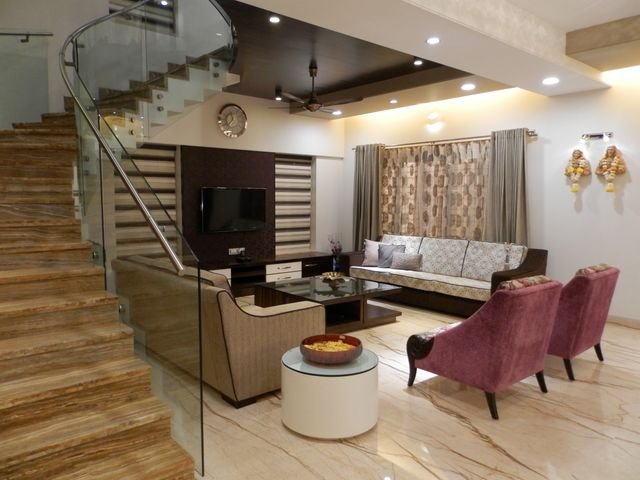

Minimalist Interior Design Ideas for Modern Living
Minimalist interior design is one of the hottest home design trends recently. Minimalist design embraces clean lines, simple spaces, and functional layouts. It brings a sense of calm and order, which lends itself to modern living. The emphasis is on quality, not quantity, encouraging householders to make conscious choices not to cram rooms with too much furniture and decoration.
Minimalist interior design can help you create a more comfortable, stylish, and practical living space, whether you live in a small flat or a large house. Minimalist interior design tips for a quick home transformation.
Select a neutral colour palette
The minimalistic design style is based on neutral colors. A clean, classic look can be achieved using shades of white, beige, grey, and soft earth tones. They make rooms look bigger, brighter, and more welcoming.
Add texture to rugs, cushions, curtains, and furniture fabrics to prevent a neutral space from becoming boring. It adds depth yet remains basic and elegant in its aesthetics.
Choose functional furniture
Interiors are minimal and all about utility. Every piece of furniture must have a function and be part of the design.
Look for furniture with the following characteristics:
- Easy. Lines are clean.
- Multifunctional
- Personal Storage Solutions
- Durable material
Storage ottomans, extendable dining tables, and beds with built-in drawers help you make the most of your space without the mess.
Clean Out
A key principle of minimalism is to discard unnecessary items. Even a gorgeous room can feel chaotic and stressful if it is cluttered.
Please create a list of your belongings and consider discarding any items that are unused, meaningless, or unnecessary. Storage cabinets, baskets, and shelves are a wonderful way to organize the essentials for a neat and tidy look.
A tidy space looks more beautiful and helps to concentrate and relax better.
Maximize Daylight
Natural light is one of the key elements of minimalist interior design. Natural light pours in through oversized windows, sheer curtains, and open floor plans.
It’s good to have natural light:
- Make rooms look larger.
- Lift mood and productivity.
- Pay attention to architectural detail.
- Enhances the appeal of neutral colors
If you don’t have natural light, strategically placed mirrors can create the illusion of more space and reflect light.
Quantity is not as important as quality
Minimalist design involves purchasing fewer items but ensuring they are of higher quality. Choose a few statement pieces instead of packing a room with a bunch of decorative objects.
Furniture, artwork, lighting, and decorative accessories are supplied. Quality pieces last longer and stay in style longer, so it is worth investing in them.
Natural materials add warmth and balance to minimalist interiors. Wood, stone, linen, cotton, and indoor plants can add texture and visual interest to your home without getting over the top.
Common features of nature:
- Wood furniture
- Stone countertops
- Indoor plants
- Woven baskets
- Natural-fiber rugs
The materials are natural, but with the simplicity that is the hallmark of minimalist design.
A few simple decorative touches
Minimalist spaces can feel cozy and welcoming. If you’re aiming for a cleaner look, don’t get carried away with decorative accents.
For example:
- A single bold statement piece
- Floor lamp designer.
- minimal wall decor
- Decorative Vases
- Sculptural works
The thing is to have some meaningful things, not a lot of decorations.
Create Airy and Light Spaces
Modern minimalist homes often have open floor plans that offer flexibility and freedom of movement. Don’t over-furnish rooms; leave plenty of space between pieces.
Open spaces bring a sense of freedom and make everyday chores more comfortable. They also aid the flow of vision and contribute to a more peaceful atmosphere.
Use personal details sparingly
Minimalism doesn’t mean stripping all the personality out of your home. Display jewelry, family photos, travel souvenirs, books, and even collections thoughtfully and selectively.
If your decorative pieces are limited to things that have meaning to you, your home will be stylish and full of meaning, just without the clutter.
Choose intelligent storage solutions
Storage is the key to minimalist living. Custom cabinets, floating shelves, hidden under-the-bed storage, secret compartments – all your day-to-day stuff is out of sight and out of mind.
A clean house fits the minimalist belief that everything has its place.
Conclusion
Minimalist interior design is an elegant and practical solution for modern living. Simplicity, function, and thoughtful design choices will make your home feel open, organized, and welcoming. Neutral colors, practical furniture, decluttering, or adding more natural light—these tips will help you turn any space into a peaceful oasis.
FAQs
1. Minimalist Interior Design: What Is It?
Minimalist interior design is a style characterized by simplicity, functionality, clean lines, and uncluttered spaces that utilize only the essential furniture and decor.
2. What are the best colors for a minimalist interior?
The tendency is for white, beige, grey, cream, and soft earth tones, which give the room a calm and spacious look.
3. How to Make a Budget-Friendly Minimalist Home?
Simplify. Paint the walls a neutral color. Consider rearranging your existing furniture. When you go, buy furniture that is functional and multi-purpose.
4. Minimalist interior design for a small apartment?
Yes. Minimalist design is perfect for smaller spaces, helping to reduce clutter, improve organization, and make rooms appear larger.
