


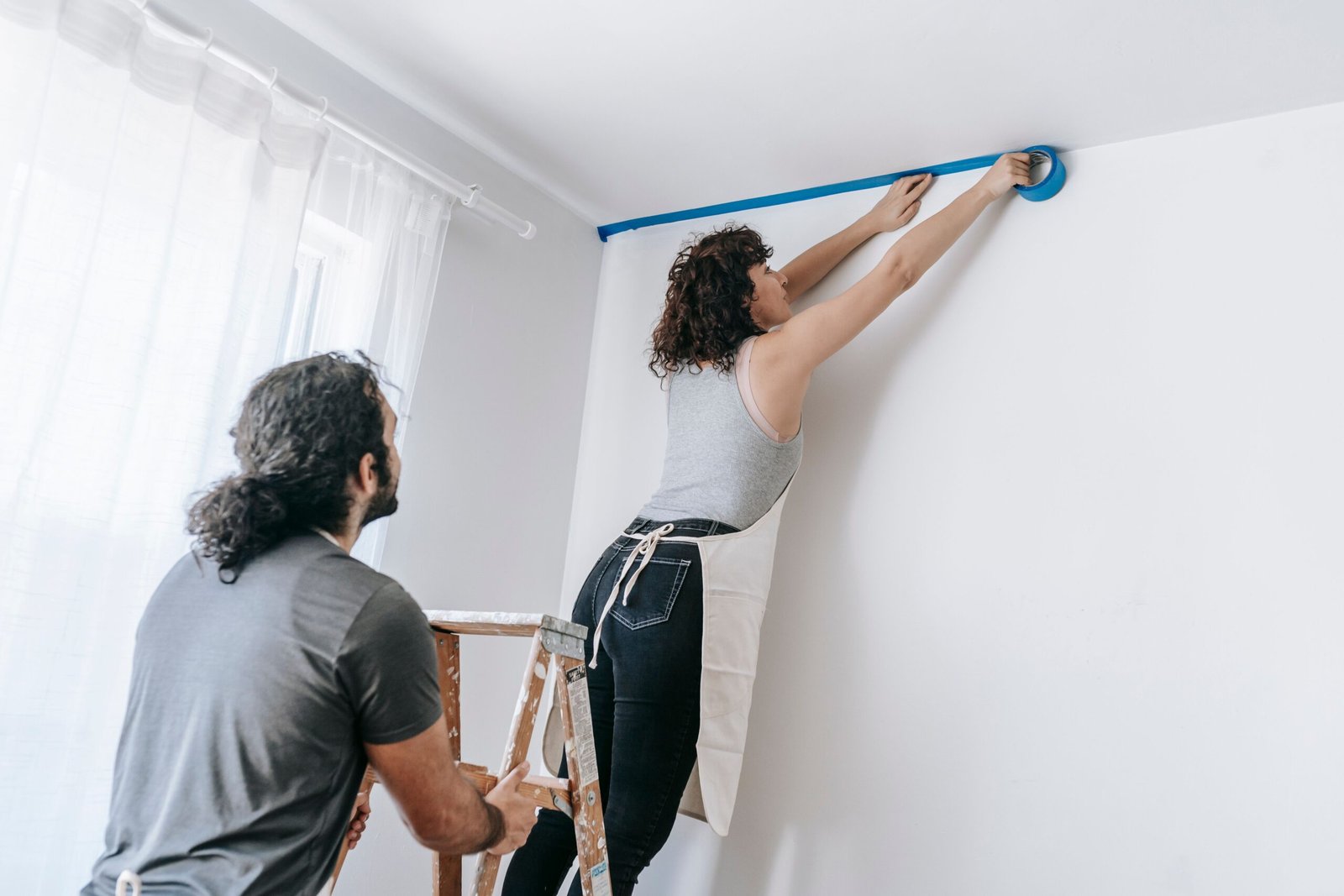

DIY Home Improvement Tips for Beginners
Projects at home that improve the home are a wonderful way to make your living space better, increase the value of your property, and learn practical skills. Many people think that home improvement is all about hiring professionals. While that is often true, there are a lot of DIY projects that can be easily done with basic tools and a good plan. Whether you’re looking to spruce up a room, make it work better, or save cash on renovations, these DIY Home Improvement tips for beginners will help you get started with confidence.
Have a Clear Strategy
Planning is one of the most important steps in any DIY project. Know exactly what you want to accomplish before you buy supplies or grab tools. Make a budget, list the materials you will need, and estimate the time it will take to complete the project.
Planning helps you avoid costly mistakes and keeps you on track throughout the project. Measuring and researching techniques beforehand can make the whole process go more smoothly and efficiently.
Collect Necessary Equipment
If you are a beginner, you should have a basic tool kit for common home improvement tasks. Good tools make the projects easier and safer investments.”
The key tools include:
- Hammer Screwdriver Set
- Measuring tape
- Utility knives
- crescent wrench
- Drill
- Level-eye protection
- Work gloves
With these tools at your fingertips, you can handle a lot of small repairs and upgrades around the house.
Start with Basic Projects
Begin with simple projects to gain confidence and experience. Start with small projects that don’t require many technical skills.
Easy beginner DIY projects:
- Painting walls. Painting walls.
- Shelf installation
- Replace cabinet handles.
- Change out light fixtures.
- Using peel-and-stick wallpaper
- Sealing cracks between windows & doors
Successfully completing smaller projects gives you useful experience for bigger home improvements down the road.
Painting to freshen your walls
Painting is one of the most affordable and effective ways to change the look of a room. A new coat of paint can instantly refresh tired spaces and give a cleaner look.
Before the paint:
- Scrub the walls thoroughly.
- Fix small holes and cracks.
- Use painter’s tape for clean edges.
- If necessary, apply primer.
- Use high-quality brushes and rollers.
Neutral colors continue to be popular because they provide a light and flexible base for your home decor.
Enhance Storage and Organization
Adding storage options can massively increase the functionality of your home. A clean space usually looks bigger and feels more comfortable.
Simple storage projects are
- Floating shelves
- Wall-mounted organizers
- Storage benches
- Closet organization systems
- Storage-under-the-bed solutions
These improvements can maximize available space without requiring major renovations.
Upgrade Lighting Fixtures
Lighting has a major impact on the atmosphere of a home. Replacing outdated fixtures can modernize rooms and improve visibility.
Popular beginner-friendly upgrades include:
- Installing LED bulbs
- Replacing ceiling lights
- Adding under-cabinet lighting
- Installing smart light switches
Always turn off the electrical power before beginning any lighting project and follow all safety instructions carefully.
Enhance Your Curb Appeal
Your home’s exterior is what gives visitors and potential buyers their first impression. Small enhancements can go a long way in increasing curb appeal.
And such projects as the following:
- Painting the front door.
- Planted flowers
- Walking with a sweep
- House number changes
- Installation of external lighting
These upgrades are relatively cheap but very effective.
Safety First
When undertaking any DIY project, safety should always be the primary consideration. Beginners should take care not to cause injuries or property damage.
Important safety practices are
- Use of protective gear
- Read instructions for the reading tool carefully.
- Ladders the right way
- Keep work areas clean.
- Turning off utilities as necessary
Do not attempt complex electrical, plumbing, or structural work unless you have the proper knowledge or professional help.
Know When to Call in the Professionals
Many projects are suitable for beginners, but some require advanced skills. Big electrical jobs, roof repairs, major plumbing work, and structural changes Licensed professionals often handle big electrical jobs, roof repairs, major plumbing work, and structural changes. to licensed professionals.
Knowing what you can’t do can save you money, time, and safety risks.
Conclusion
With DIY home improvement, you can build a home that’s all your own, while picking up skills that will be useful every day. Beginners can accomplish various home upgrades by starting with simple projects, using the right tools, following safety guidelines, and planning carefully. Small improvements can make a big difference to the comfort and value of your home, whether it’s better storage, a fresh coat of paint on a room, or improved curb appeal.
Frequently Asked Questions
1. What is the easiest home improvement project for beginners to do themselves?
Some of the easiest projects for beginners to successfully complete are painting walls, installing shelves, and replacing cabinet hardware.
2. What tools should every DIY newbie have?
You will need a hammer, a set of screwdrivers, a tape measure, a power drill, a utility knife, a level, and safety gear.
3. How do DIY home improvements save you money?
DIY projects save labor costs and allow homeowners to do upgrades on their own schedule while improving property value.
4. When to hire a professional instead of doing it yourself?
For major electrical work, structural changes, roofing repairs, and complex plumbing projects that require specialized expertise, you should hire a professional.
