


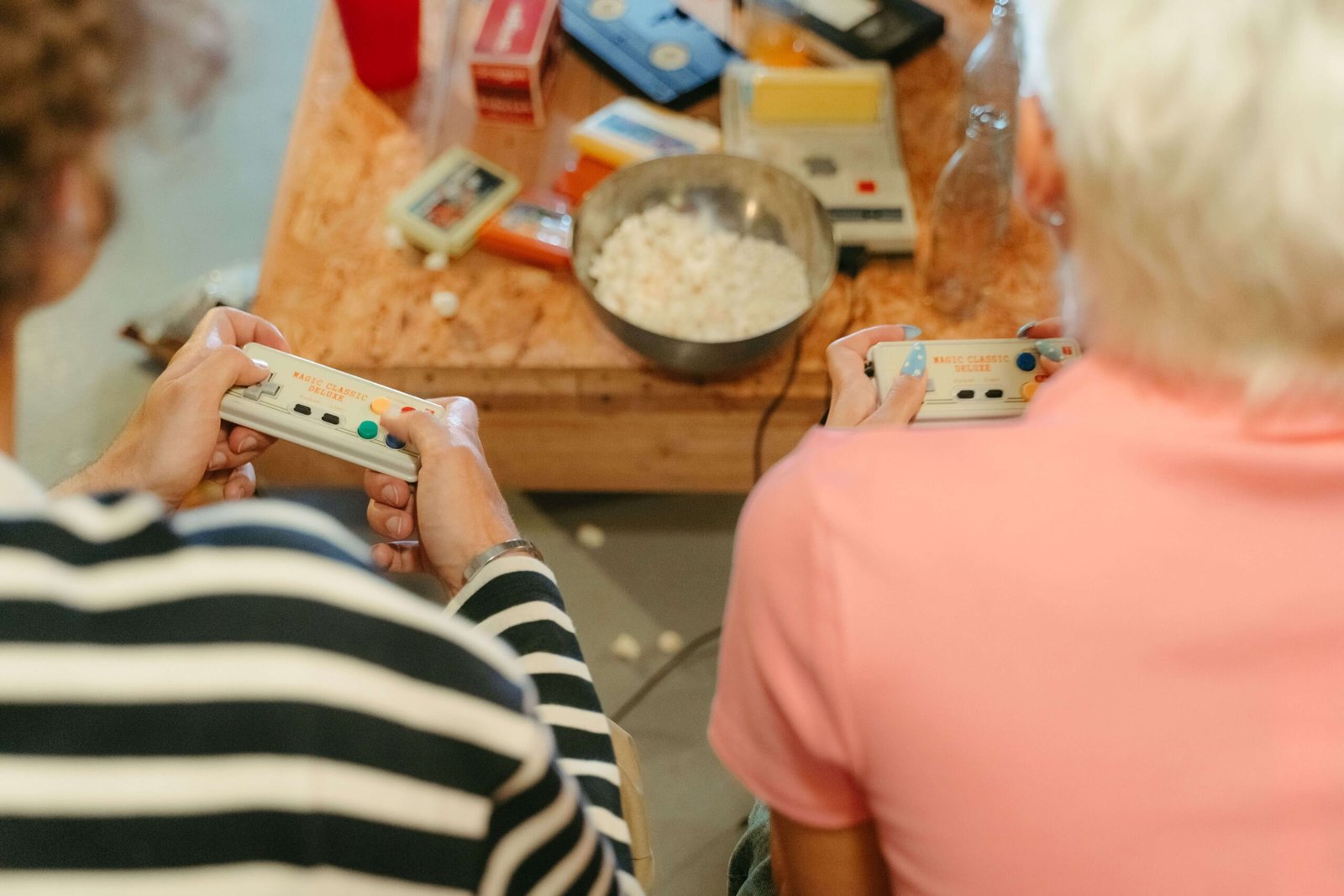

Benefits of Gaming for Learning and Entertainment
Gaming has evolved from a simple hobby into a complex, competitive industry. Today video games are an integral part of modern culture, played by millions of people all over the world. Games are generally regarded as a form of entertainment, but they also have many educational and cognitive benefits. When played in moderation, gaming can be a positive force for learning and personal development, from improving problem-solving skills to encouraging teamwork and creativity.
How Gaming Enhances Learning and Retention
One of the most significant advantages of gaming is the possibility of providing interesting and interactive learning. Sometimes, traditional learning methods can be monotonous. Games create thrilling experiences that captivate players and keep them fully engaged.
Educational games are designed to teach subjects like math, science, history, and languages. These games are a fun and interactive way to acquire information and help learners remember it better. Puzzle games develop logical thinking, and strategy games develop planning and decision-making skills.
Games allow players to learn through experimentation. The most common way players learn is trial and error. Players learn by seeing the consequences of their actions. This practical approach enhances memory retention and critical thinking skills, further highlighting the Benefits of Gaming for learners of all ages.
Developing Problem-Solving Skills
Many video games ask players to solve challenges, complete missions, and beat obstacles. Such tasks promote analytical thinking and strategic planning.
Games can simulate scenarios where players must make quick decisions among multiple options. It helps the players to analyze issues, adapt, and come up with effective solutions. These skills can be applied to academic, professional, and everyday settings.
Strategy, role-playing, and simulation games are beneficial for developing problem-solving skills, as they need thoughtful planning and resource management.
Improved hand-eye coordination
Gaming can improve your hand-eye coordination and motor skills tremendously. In fast-paced games, players need to respond quickly to visual cues and coordinate their actions via controllers, keyboards, or touchscreens.
Researchers found that gamers tend to have faster reaction times and greater visual attention than non-gamers. These skills gamers can apply in various real-life situations, including driving, sports, and specific work-related tasks that demand quick and accurate responses. Gamers can apply in various real-life situations, including driving, sports, and certain work tasks that demand quick, accurate responses.
Fostering Creativity and Innovation
Many games promote unconventional thinking and self-expression in unique ways. Sandbox and building games allow players to design structures, create virtual worlds, and experiment with different ideas.
Creative game environments inspire imagination and innovation. Players can innovate, test strategies, and develop creative approaches to challenges. Such creativity can be applied in other areas of life, such as education, art, design, and entrepreneurship.
Furthermore, the customization options in games allow players to customize characters, environments, and gameplay.
Team Work and Social Interaction
Many modern games encourage social interaction instead of the idea of gaming as a solitary activity. Multiplayer and virtual games provide players with the opportunity to communicate, collaborate, and compete with people from different parts of the world.
Team sports help develop essential interpersonal skills, including communication, leadership, cooperation, and conflict resolution. cultivating a sense of team spirit and mutual understanding.
Aside from these benefits, gaming communities are chances to make new friends, share experiences, and meet people who have similar interests.
Relaxation and Enjoyment
Entertainment is one of the main reasons why people love gaming. Video games are a beneficial way to escape from the daily stresses and duties. Players experience intriguing gameplay, immersive storytelling, and exciting challenges to relax and unwind.
Gaming can also boost your mood by providing a sense of achievement. Reaching milestones, achieving goals, and getting through difficult levels can often give you a sense of satisfaction and motivation.
For many, gaming is a healthy hobby that balances work, study, and private life.
Acquisition of Technology Skills
With technology evolving, online literacy is becoming increasingly relevant. Gaming exposes players to various technologies, interfaces, and problem-solving approaches.
Many games require players to learn digital environments, manage resources, and engage with complex systems. Such experiences can build technical skills and increase comfort with technology, which is important in today’s digital world.
Gaming also creates interest in related fields like programming, graphic design, animation, game development, and cybersecurity. Important in today’s digital world, and can even spark interest in fields like programming, graphic design, and cybersecurity.
The Need for a Fair Game
While gaming offers numerous benefits, moderation is essential for a healthy experience. in moderation. Playing too many games is not beneficial for your health, sleep, and productivity. It is important to have a healthy balance between gaming, education, work, exercise, and social activities.
Parents and individuals should establish proper hours for gaming and select age-appropriate games that can promote positive learning experiences.
Summary
Video games have evolved far beyond pure entertainment. They can help with learning, enhance cognitive abilities, improve social skills, and promote creativity. Games can be beneficial for your well-being. They can help you to learn new technology, relax, and develop problem-solving skills, and they can be beneficial for people of all ages. Video games can be a great tool for education and personal growth, as well as being entertaining and fun, when played responsibly.
