


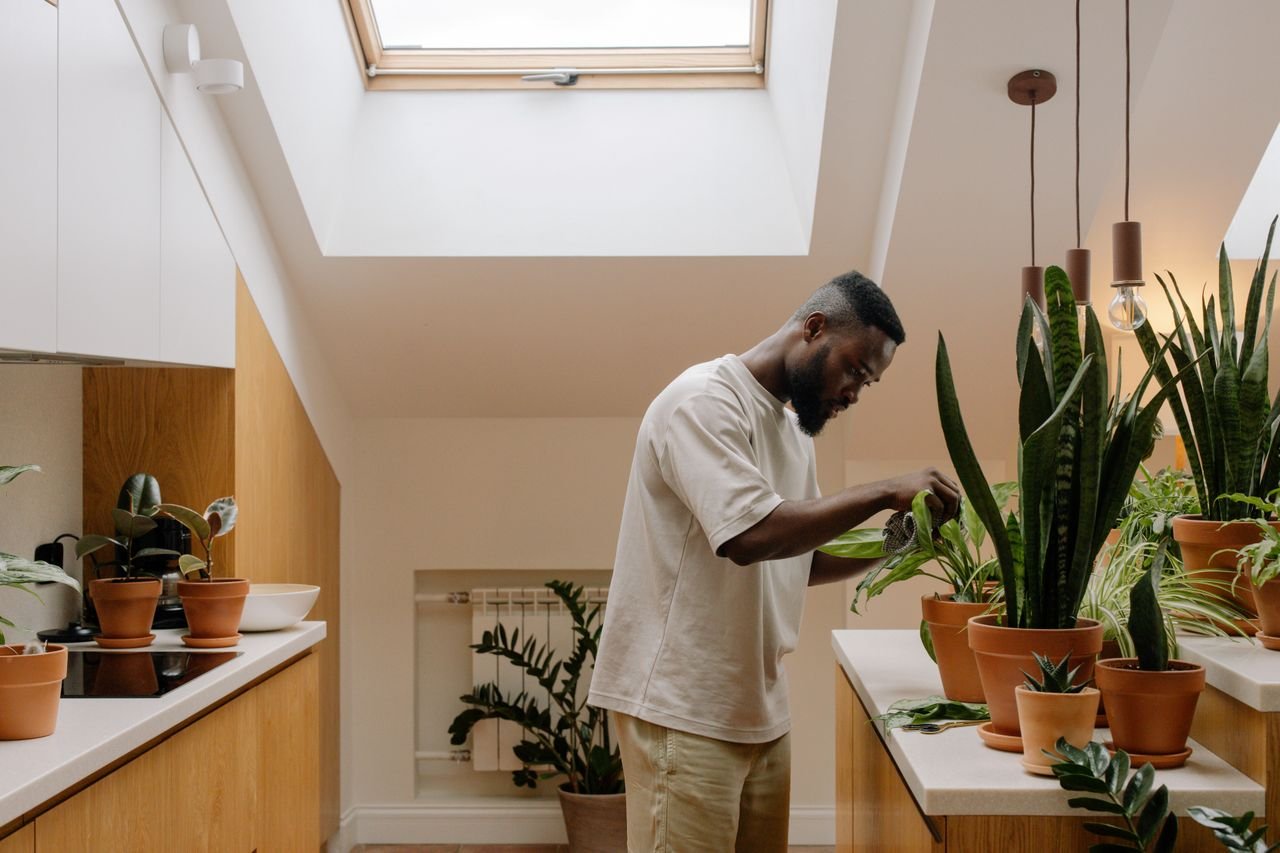

Indoor Gardening Ideas for Apartments and Small Spaces
Apartment living? No outdoor space? Indoor gardening is a wonderful way to bring nature into your home. With the right plants, pots, and creative arrangements, even the tiniest corner can be turned into a green oasis. They also improve air quality, reduce stress, and create a relaxing environment.
Benefits of Indoor Gardening in Small Spaces
Many flat dwellers believe that a large garden is necessary for gardening. Indoor gardening is proof that you can cultivate healthy plants in small spaces. So many options for growing plants indoors—from sunny windowsills to tiny balconies to unused shelves.
The traditional outdoor gardens are also more difficult to maintain than the indoor gardens. Indoor gardens shield plants from extreme weather, pests, and seasonal changes, making them an excellent choice for beginners.
Best Indoor Gardening Ideas for Flats
1. Start a windowsill garden.
A windowsill is all you need to begin growing indoors. Herbs that will give you fresh ingredients to cook with are basil, mint, parsley, and cilantro. These herbs thrive in sunny spots. Windowsills are also good for succulents and small flowering plants and will give color and character to your apartment.
2. Experiment with vertical gardening ideas
If you have limited floor space, consider using vertical gardening solutions. Wall planters, hanging pots, and vertical garden racks help you grow many plants without taking up precious space. Vertical gardens are ideal for apartments, maximizing available space while adding a beautiful green element.
3. Add Multiple Hanging Plants
If you have a small apartment, suspended plants are a wonderful choice, as they don’t take up shelf space or floor space. Popular choices include pothos, spider plants, string of pearls, and English ivy. Hang baskets around the windows or from the ceiling for a natural feel.
4. Racks and shelving for plants
Bookshelves, floating shelves, and plant stands can be turned into mini indoor gardens. Different heights of plants will add interest and ensure each plant receives sufficient light. Add a little interest to your indoor garden by using a variety of plant sizes and textures.
5. Pot up in attractive pots
You don’t have to use regular pots to grow plants indoors. Mason jars, decorative containers, baskets, and recycled items can add some personality to your garden. Choose containers with drainage holes to prevent root rot.
6. Grow a Small Herb Garden
Small herb gardens are easy and convenient to take care of. Herbs don’t need a lot of space and can be grown on the kitchen counter, on windowsills, or in wall-mounted planters. Herbs are a lovely way to add flavor to food and make your house smell wonderful.
7. Select Houseplants That Are Easy to Maintain
If you are new to indoor gardening, try starting with plants that are simple to care for. Snake plants, ZZ plants, pothos, peace lilies, and spider plants are all excellent choices that will survive under various lighting conditions and require little maintenance.
How To Begin With Indoor Gardening
Provide sufficient illumination
Most houseplants need plenty of sun to grow well. If possible, place plants near windows. LED grow lights are excellent for healthy growth if you have limited natural light.
How to Water Correctly
Overwatering is one of the biggest mistakes indoor gardeners make. Examine the soil before watering. Use containers with adequate drainage holes.
Humidity Control
Some houseplants need more humidity. A humidifier or bowl of water near the plants will help maintain a beneficial environment.
Rotate Plants Occasionally
Every few weeks you rotate the plants around so every side receives equal light and the plant grows evenly.
Advantages of indoor gardening
Indoor gardening is more than just a visual treat. Plants help to clean the air and add humidity and create a more relaxing environment. Caring for plants can be a way to de-stress and be mindful. For flat dwellers, indoor gardening can be a very rewarding hobby, as it enables them to enjoy nature without the need for a large outdoor space.
Conclusion
Indoor gardening is a fun and easy way to bring a touch of green to apartments and other small living spaces. There are many ways to create a thriving indoor oasis, from windowsill herb gardens to vertical plant displays. With the right choice of plants, the best use of the space available, and following some simple tips of care, indoor gardening can be a rewarding experience for everyone, regardless of space constraints.
FAQs
1. What are the best plants to grow in an apartment?
Snake plants, pothos, spider plants, peace lilies, and herbs like basil and mint are all good plants for the flat.
2. How Much Light Does an Indoor Plant Require?
Most houseplants like 4-6 hours of indirect sun a day. Not all plants require the same amount of light.
3. Can you grow vegetables in a flat?
Yes, you can grow small vegetables indoors, such as lettuce, spinach, and cherry tomatoes, if they receive enough light and use the correct containers.
4. How often should I water my houseplants?
The frequency of watering will depend on the type of plant, the time of year, and your indoor environment. Check the soil moisture before watering.
