


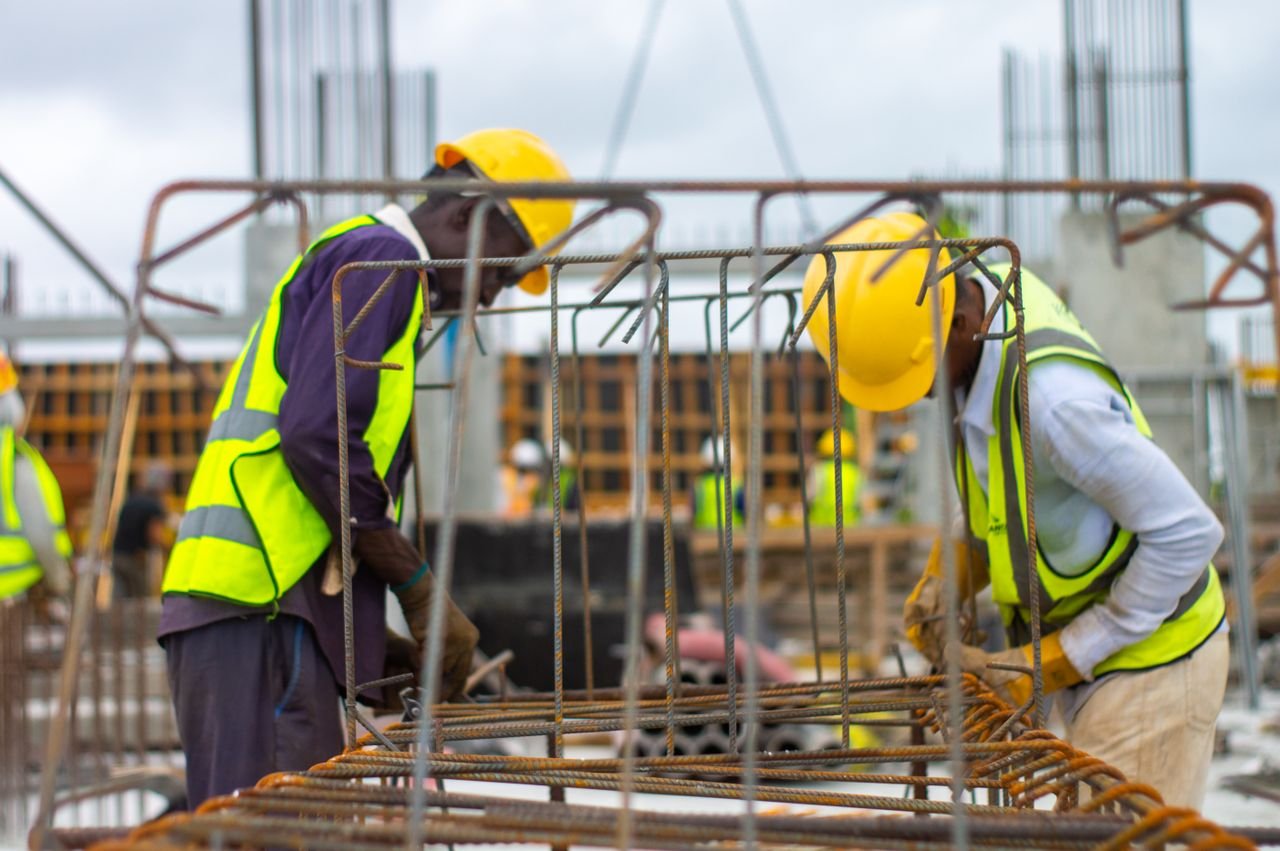

Construction Industry Trends Shaping the Future in 2026
The construction industry is undergoing a significant transformation, with new technologies, sustainability initiatives, and evolving workforce requirements reshaping the way projects are designed and built. As market demands continue to grow, construction companies are implementing new solutions in 2026 to improve efficiency, safety, and environmental responsibility. Understanding these trends can help businesses, contractors, and investors remain competitive in a changing industry.
Sustainable development in construction
Sustainability is still one of the strongest construction trends in the industry. Governments, businesses, and consumers are demanding that buildings be constructed in an environmentally responsible way.
Sustainable construction includes:
- Energy efficiency
- Cutting down on building waste
- Integration of renewable energy systems.
- Designing Green Buildings
Recycled steel, reclaimed wood, and low-carbon concrete are materials that builders use to reduce their carbon footprint. Builders are using recycled steel, reclaimed wood, and low-carbon concrete to reduce their carbon footprint. Builders are increasingly using recycled steel, reclaimed wood, and low-carbon concrete to reduce their carbon footprint. And then there’s the growing importance of green certifications as owners want to develop in an environmentally responsible way.
Increasing Use of Construction Technologies
Every step in the construction process involves the use of technology. Technology is transforming every step of the construction process. Digital instruments improve project planning, communication, and productivity and reduce costly errors.
Some trending technologies in 2026 are the following:
- Building Information Modeling (BIM)
- Artificial Intelligence (AI)
- Site Investigation with Drone Surveys
- Cloud-based project management tools
- Internet of Things (IoT) sensor
These technologies allow the stakeholders to work together more efficiently, to provide the project data in real time, and to assist managers to make the right decisions during the construction projects.
Modular Construction Expansion
Modular construction is picking up steam, with projects being completed quicker and quality control improving. Rather than building everything on site, components are produced under controlled factory conditions and then assembled at the construction site.
The benefits of modular construction are:
- cheaper labor, less time to develop
- Less material waste
- Higher, more consistent quality.
- Improved safety conditions
The use of modular building methods will likely grow as the need for affordable housing and commercial space grows.
IoT Connected Infrastructure & Smart Buildings
Smart buildings use interconnected systems to optimize energy use, security, lighting, and climate control.
Some of the highlights include:
- Smart lighting systems
- HVAC Control Automation
- Energy monitoring program
- Intelligent security solutions
- Predictive maintenance systems
These technologies allow for more efficient operations and a better occupant experience.
Artificial Intelligence in Construction and Building
Artificial intelligence has proven to be a useful tool for construction companies. AI-powered software can evaluate large volumes of project data to identify risks, optimize schedules, and improve resource allocation.
AI applications can be
- Project forecasting
- Safety monitoring
- Forecast of equipment maintenance
- Estimated Cost
- Human Resource Planning
AI allows construction companies to reduce uncertainties, make better decisions, and increase profitability and success rates of projects.
Safety First Workforce
The top priority on a construction site is safety. Companies are investing in better training programs and safety technologies to reduce accidents on the job.
New safety solutions are
- Protective equipment used
- Intelligent helmets
- Real-time observation systems
- Danger Detection AI
- Virtual reality training courses
Such innovations help construction professionals identify better risks earlier and work in safer conditions.
Developing the workforce and labor shortages
Many construction companies are struggling to find enough skilled workers. So companies are putting money into workforce development programs, apprenticeships, and technology-driven solutions.
Automation and robotics can also help fill labor gaps by taking on repetitive tasks and increasing productivity. Companies are meanwhile wooing younger workers with training opportunities and career development initiatives.
Scaling green infrastructure projects
World governments are allocating more funds to green infrastructure to meet environmental and economic needs. Construction includes projects like renewable energy facilities, energy-efficient public buildings, and sustainable transportation systems.
These trends create opportunities for construction companies that focus on environmentally sound design and building methods.
Summary
Construction industry developments in 2026 include sustainability, digital transformation, workforce innovation, and smart building technologies. Companies that embrace these trends may improve efficiency, cut costs, and remain competitive in a rapidly changing marketplace. With rapidly evolving technology and environmental issues at the forefront, the future of construction will be about creating safer, smarter, and more sustainable buildings and infrastructure projects.
FAQs
1. What will be the biggest trend in construction by 2026?
A major trend is sustainable construction, fueled by environmental regulations, energy efficiency objectives, and a growing demand for green buildings.
2. How does technology affect the construction industry?
Technologies like AI, BIM, drones, and IoT are transforming project management. They reduce costs, increase productivity, and improve safety.
3. What is modular construction?
Modular construction is building components off-site and assembling them on-site. This means projects are completed faster and with less waste.
4. What is the market for intelligent buildings?
Smart buildings use connected technologies and automated systems to improve energy efficiency, security, comfort, and operational performance.
